21 Living Room Decorating Ideas You’ll Love
Your living room is one of the most-used spaces in your home, so it should feel comfortable, welcoming, and thoughtfully styled rather than simply filled with furniture. These living room decorating ideas will help you create a room that looks polished while still working for everyday life. From smarter furniture placement and color choices to lighting, artwork, textures, and small finishing details, these ideas are designed to solve common decorating problems and help you create a living room that feels personal, balanced, and beautifully put together.
1. Start With One Clear Focal Point
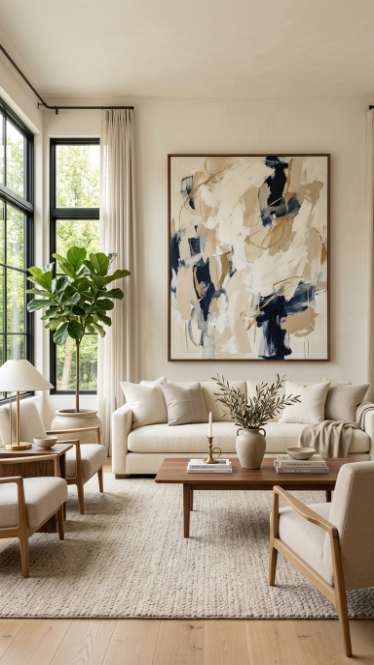
A living room can feel confusing when several features compete for attention at the same time. Choose one main focal point, such as a fireplace, large artwork, beautiful window, or statement media wall, and arrange the room around it. Once the eye knows where to land first, everything else becomes easier to style. Keep surrounding decor slightly quieter so your focal feature feels intentional rather than lost among too many competing elements.
2. Pull Your Color Palette From Something You Love
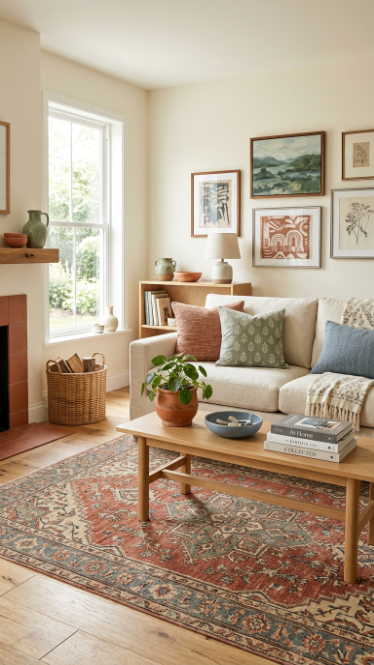
If choosing colors feels overwhelming, do not begin with hundreds of paint swatches. Start with something already in the room that you genuinely love, such as a rug, artwork, patterned pillow, or vintage textile. Pull two or three colors from that piece and repeat them throughout the room. This simple approach creates a naturally coordinated look and prevents the space from feeling like several unrelated decorating ideas were combined together.
3. Layer Neutral Colors Instead of Using Just One
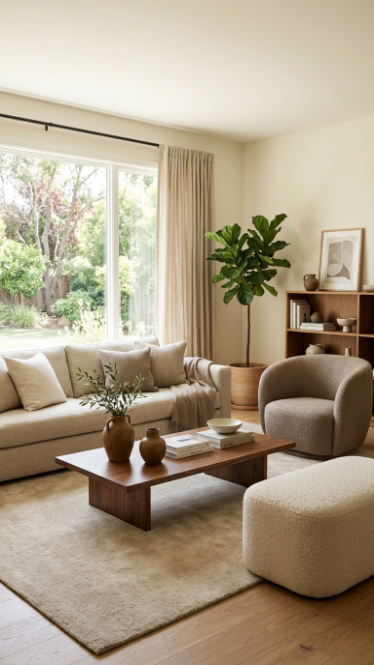
A neutral living room does not have to mean plain white walls and beige furniture. The secret is layering several related shades, such as warm ivory, oatmeal, taupe, sand, greige, and soft brown. Imagine a cream sofa against warm white walls with a slightly darker rug and walnut furniture. The subtle changes in tone create depth, warmth, and sophistication while keeping the room calm and easy on the eyes.
4. Arrange Furniture for Conversation
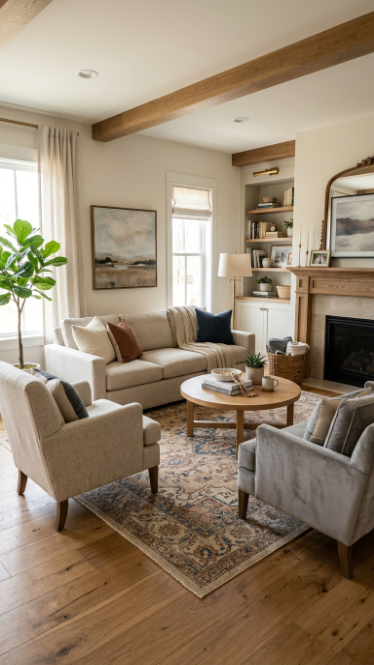
Many living rooms are arranged almost entirely around the television, which can make the room feel less welcoming when guests arrive. Try positioning chairs slightly toward the sofa instead of directly toward the screen. A coffee table or ottoman can visually connect the seating area. The goal is to make conversation feel natural without sacrificing TV viewing, creating a room that works equally well for quiet evenings and weekend gatherings.
5. Give Your Sofa a Better Pillow Formula
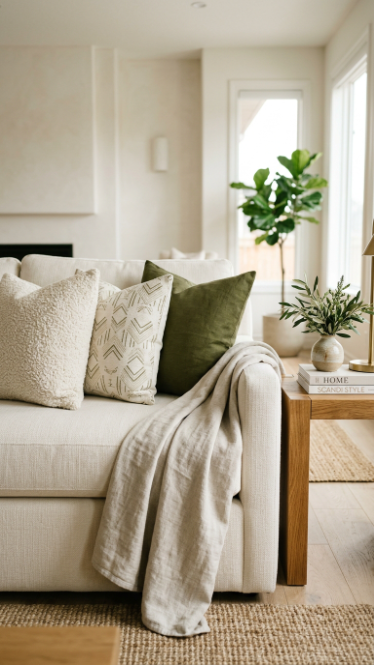
Throw pillows can transform a sofa, but too many random patterns quickly create clutter. Try mixing three elements instead: one solid pillow, one subtle pattern, and one textured fabric such as boucle, velvet, or linen. Keep the colors connected to the room’s overall palette. This simple formula creates variety without chaos and makes even an affordable sofa look more thoughtfully styled and visually complete.
6. Add a Large Rug to Anchor the Room
One of the most common decorating mistakes is choosing a rug that is too small. A tiny rug floating beneath the coffee table can make furniture look disconnected. Instead, choose a rug large enough for at least the front legs of your sofa and chairs to sit on it. This visually pulls the seating arrangement together and makes the whole living room feel larger, more grounded, and professionally designed.
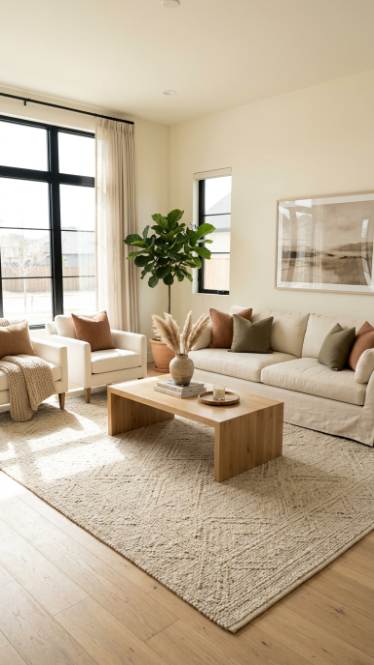
7. Use Curtains to Make the Room Look Taller
Curtains can change the apparent proportions of a living room. Rather than installing the curtain rod directly above the window frame, hang it several inches higher and extend it beyond the window edges. Allow long curtains to fall close to the floor. The window will appear larger, the ceiling will feel higher, and more glass can remain exposed when the curtains are open, allowing valuable natural light into the room.
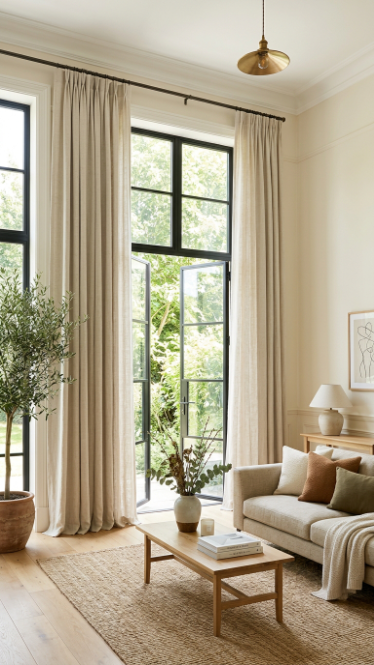
8. Mix Old and New Pieces for More Personality
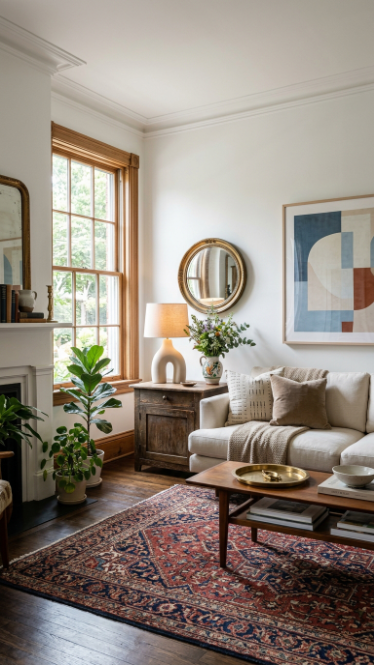
A room filled entirely with brand-new matching furniture can sometimes feel more like a showroom than a home. Add one or two pieces with history or character, such as a vintage side table, antique-style mirror, old ceramic vase, or inherited wooden chair. Pairing these pieces with modern furniture creates visual tension and personality. The room begins to tell a story instead of looking like everything was purchased from the same catalog.
9. Create a Coffee Table That Still Feels Practical
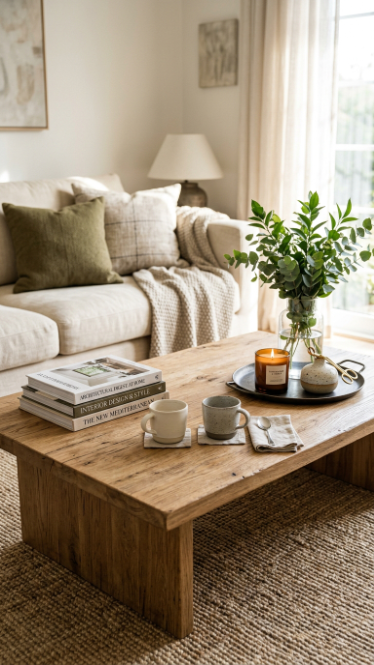
Beautiful coffee table styling should not prevent you from actually using the table. Start with a tray to organize smaller objects, then add a short stack of books, one decorative piece, and something natural such as flowers or greenery. Leave a generous portion of the surface empty. You will still have room for drinks, snacks, or a laptop while the table maintains the polished look you see in professionally styled interiors.
10. Bring Nature Into the Living Room
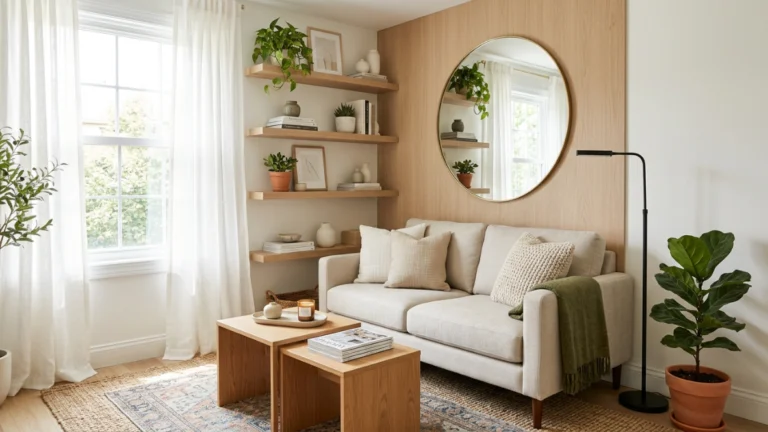
If your living room feels finished but somehow lifeless, greenery may be the missing element. A tall indoor plant can soften an empty corner, while smaller plants or fresh branches add movement to shelves and tables. Choose plants according to the actual light available in your room rather than appearance alone. Even a simple arrangement of leafy branches in a vase can introduce organic shape and make a structured space feel warmer.
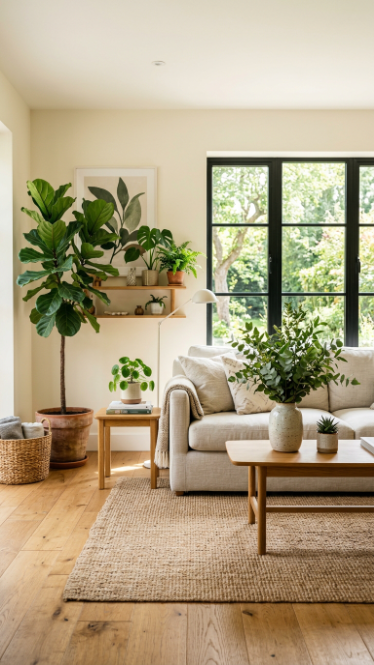
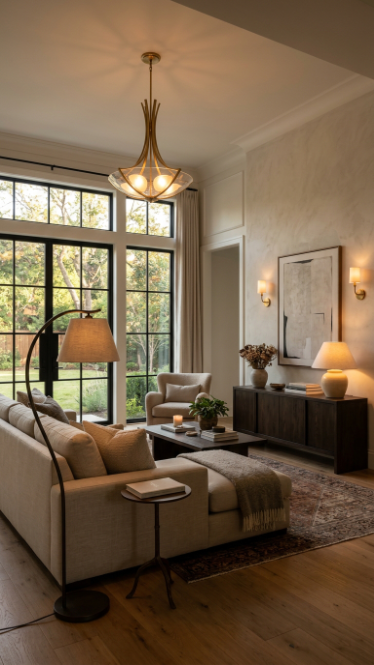
11. Layer Different Types of Lighting
One ceiling fixture rarely creates enough atmosphere by itself. A comfortable living room benefits from lighting at several heights. Combine overhead lighting with a floor lamp beside the sofa, a table lamp on a console, or wall sconces near artwork. During the day, natural light does most of the work; at night, these smaller light sources create warm pools of illumination that make the room feel more dimensional and relaxing.
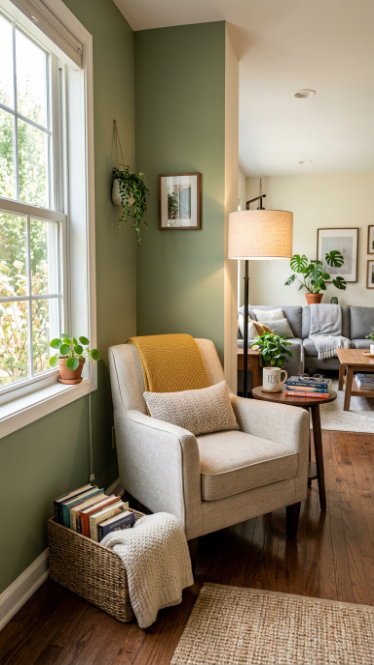
12. Make Empty Corners Work Harder
That awkward empty corner does not always need another decorative object. Think about what your living room actually lacks. If you need seating, add a compact chair. If you need storage, use a narrow cabinet. If the room feels lifeless, try a tall plant. Solving a real problem first prevents you from buying random decor simply to fill space and turns an overlooked corner into a useful part of the room.
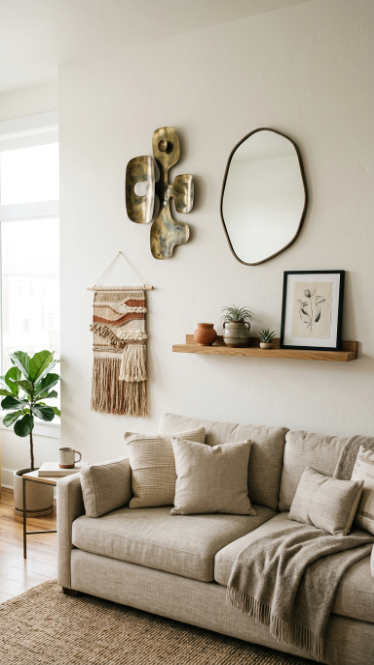
13. Style Your Walls Beyond Basic Artwork
Wall decor can include much more than framed prints. Consider a decorative mirror, woven wall piece, sculptural object, floating shelf, vintage plate arrangement, or small textile. Mixing different forms gives the room personality and prevents every wall from looking identical. The important part is restraint. Choose pieces that support the overall style of the room instead of decorating every available inch simply because the wall is empty.
14. Create a Gallery Wall With a Connecting Theme
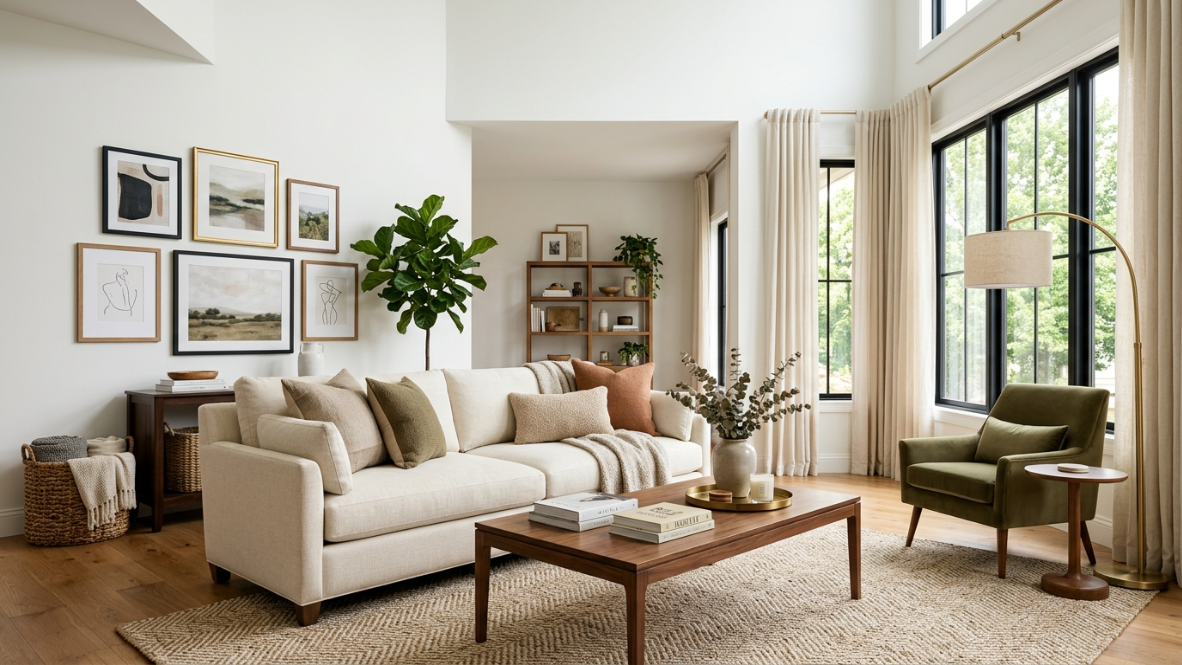
Gallery walls often look messy when the frames, colors, subjects, and spacing are all completely unrelated. Give your collection one connecting element. You might use black frames with different artwork, vintage-inspired images in mixed wooden frames, or family photographs printed in the same color treatment. Lay the arrangement on the floor before hanging it. Planning first helps the final wall feel collected and creative rather than accidental.
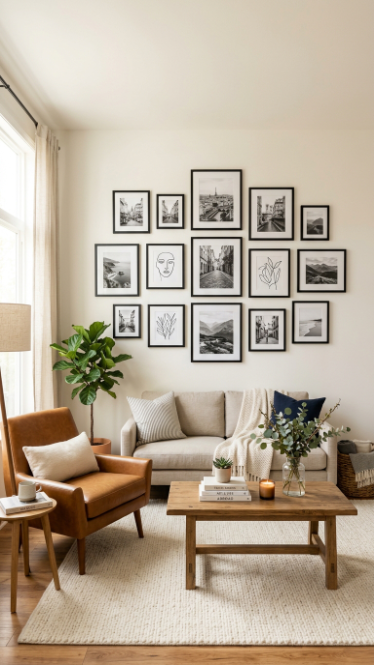
15. Add Texture When the Room Feels Flat
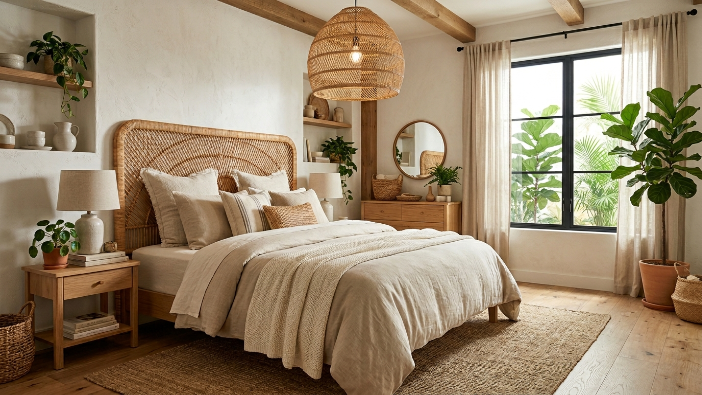
If all your furniture and decor have smooth surfaces, even a beautiful color palette can feel unfinished. Introduce contrasting textures through linen curtains, knitted throws, woven baskets, natural wood, boucle upholstery, jute rugs, ceramics, or soft velvet. You do not need all of them. Two or three contrasting materials are usually enough to create visual richness and make a simple living room feel much warmer and more expensive.
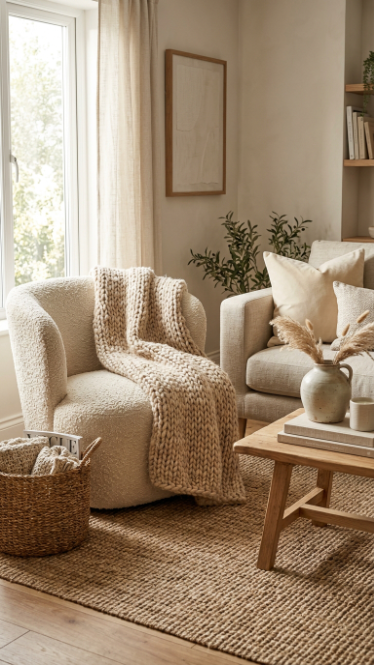
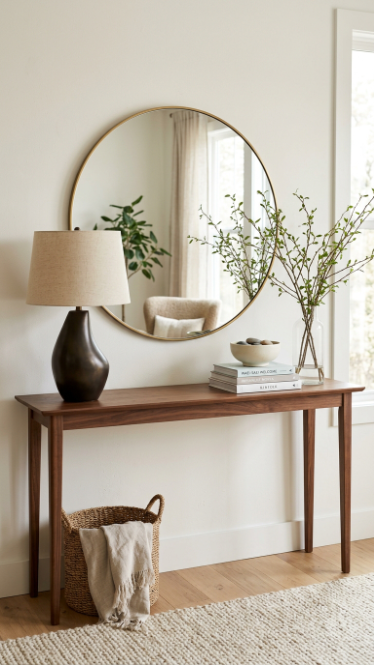
16. Use a Console Table to Create a Styled Moment
A console table can transform an overlooked wall into a purposeful feature. Start with one larger piece above it, such as artwork or a mirror, then add a lamp and a few smaller objects at different heights. Avoid lining up many tiny accessories across the entire surface. Leaving some empty space creates balance and gives each object more presence, resulting in a cleaner and more sophisticated display.
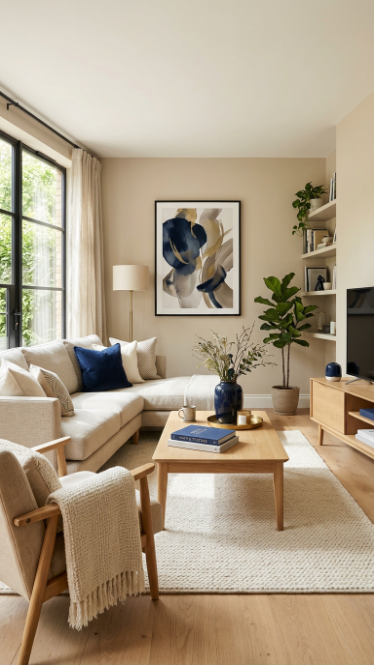
17. Repeat Accent Colors Around the Room
An accent color looks most intentional when it appears in more than one location. If you introduce deep blue through a pillow, repeat a similar tone in artwork, a vase, or a book cover across the room. You do not need identical shades or matching objects. Small echoes of the same color guide the eye around the space and make the entire decorating scheme feel connected without looking overly coordinated.
18. Make Storage Part of the Decor
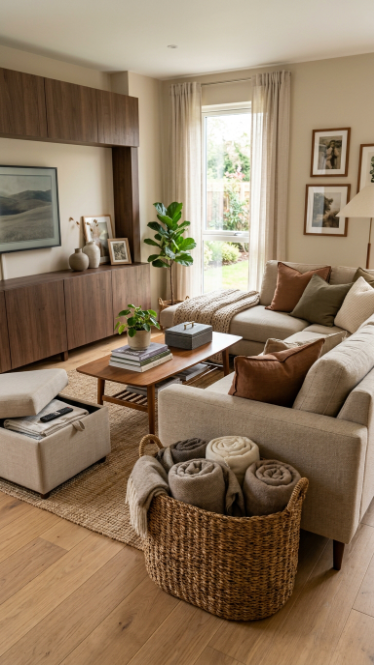
Living rooms naturally collect blankets, remotes, chargers, magazines, toys, and everyday clutter. Instead of fighting this reality, choose storage that contributes to the room’s appearance. A beautiful woven basket can hold throws, a decorative box can hide remotes, and a storage ottoman can conceal larger items. When every common object has an easy home, keeping the living room tidy becomes much easier and the decor remains visible.
19. Decorate With Books for a Lived-In Look
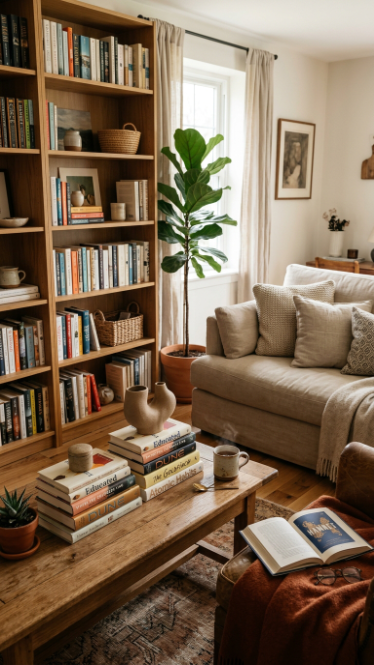
Books are one of the easiest ways to make a living room feel personal rather than staged. Stack a few on the coffee table, place favorite titles vertically on shelves, or use larger books beneath a decorative object to create height. Choose books you actually enjoy whenever possible. Their colors, covers, and different sizes naturally add visual interest while quietly revealing something about the people who live in the home.
20. Leave Some Breathing Room
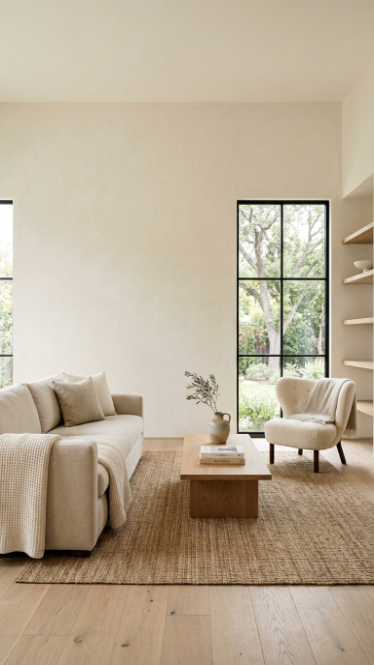
A decorating project can go wrong when you keep adding pieces because the room does not yet feel “finished.” Sometimes the missing ingredient is actually empty space. Leave part of a wall, tabletop, shelf, or floor deliberately open. These quiet areas give the eye somewhere to rest and make important objects stand out more clearly. A slightly less decorated room often feels more sophisticated than one where every available surface has been filled.
21. Finish With Details That Tell Your Story
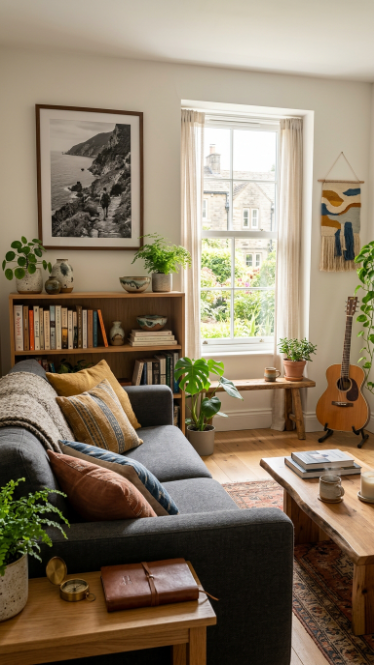
The most memorable living rooms include objects that could not belong to just anyone. Display a photograph from a meaningful trip, artwork you genuinely love, a handmade object, family heirloom, favorite books, or something connected to a hobby. These personal details prevent a stylish room from becoming generic. Trends can guide your decorating choices, but the final layer should make visitors understand something about you and the life lived inside your home.
Conclusion
The best living room does not come from following every decorating trend at once. It comes from combining comfort, function, and personality in a way that suits the people who actually use the space. These 21 living room decorating ideas can help you improve everything from furniture placement and lighting to color, storage, and those important finishing touches. Try the ideas that solve your room’s biggest challenges first, then build gradually. Save this article on Pinterest so you can return whenever your living room needs fresh inspiration.